
Case Study: Achieving a 100 PageSpeed Score. But This Isn't (Just) About Numbers.
Share this article
You've definitely experienced this. You click a link, and... white screen. One second. Two seconds. You start getting restless. Your finger moves toward the "back" button. Three seconds. You leave.
In behavioral psychology, this is called goal abandonment—your intent (e.g., to buy something or read an article) is defeated by frustration. In the digital era, three seconds is the patience limit.
Many businesses don't realize that their slow website is silently driving away customers before they even get to say hello.
On the other hand, what happens if a website loads... instantly?
It creates a seamless first impression. Subconsciously, users will think: "This site is professional. Well-maintained. Trustworthy."
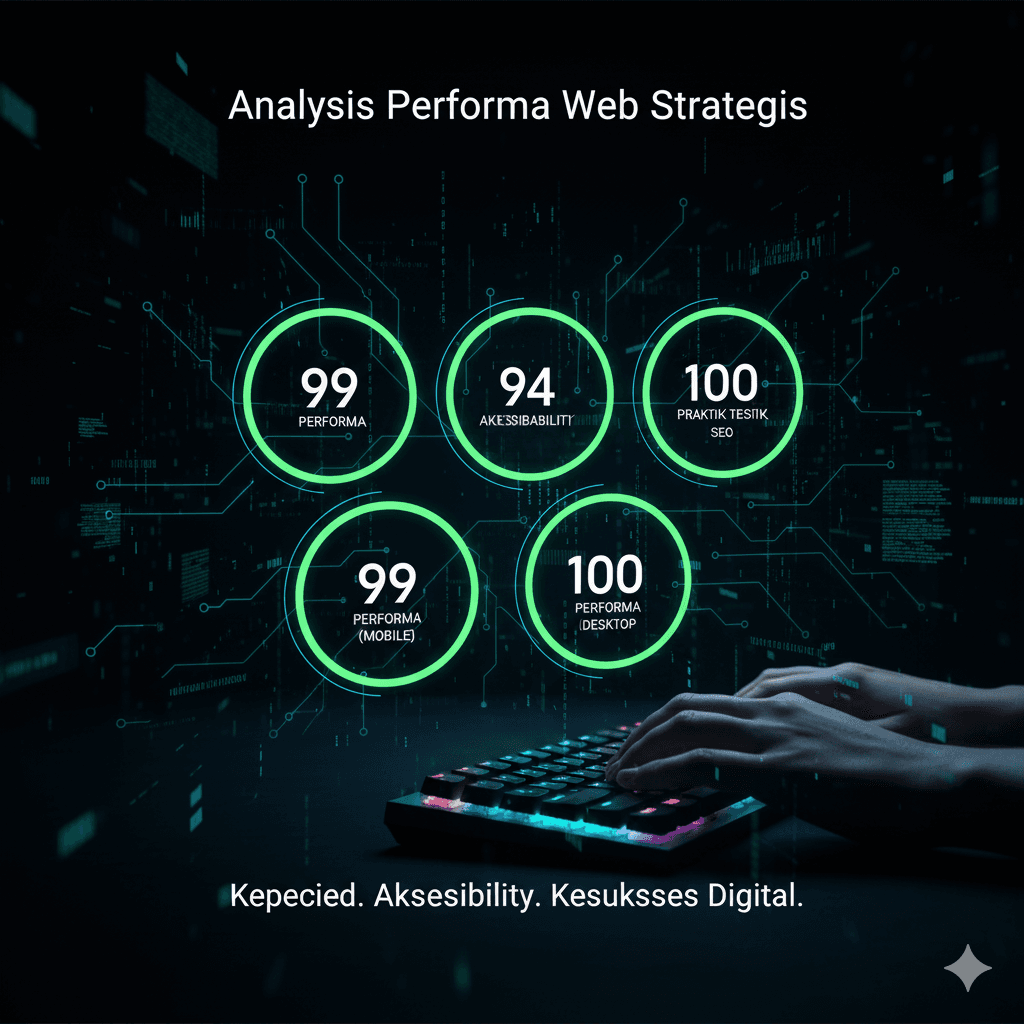
Recently, we became obsessed with this mission: creating a frictionless user experience. We used the industry-standard tool, Google PageSpeed Insights, to measure our progress.
Here are the results.
View mobile report View desktop report
A score of 100 on Desktop and 99 on Mobile is a technical achievement we're proud of. But we didn't chase this number to show off. We chased it because we understand the science and psychology behind every metric.
Let's break down what these numbers really mean for users and businesses.
1. Performance (Score 99-100): Psychology of Perception
What It Means: This is the main score that measures how fast content appears on screen. A score of 100 means the website feels instant.
Psychological & Business Impact:
- Eliminates Frustration: This is the most obvious. No wait time means no annoyance. Users stay focused on their goal (e.g., buying your product).
- Halo Effect: This is a cognitive bias where our first positive impression of something (speed) influences our overall perception. Users will automatically think your design is better, your products are higher quality, and your brand is more professional.
- Builds Trust: A slow website feels "broken" or "unsafe". A fast website feels solid, secure, and reliable.
Technical Steps (Science) We Took: Achieving this score isn't magic, it's deliberate engineering. Some key strategies include:
- Radical Asset Optimization: Converting all images to next-gen formats (like WebP) that are much smaller without losing quality.
- Code Minification: "Cleaning" every unnecessary space, comma, and comment from CSS and JavaScript files, making them as small as possible.
- Lazy Loading: Intelligently only loading images or videos when users scroll toward them. This makes the initial page load super light.
- Smart Caching: Telling the browser to store assets (like logos and fonts) so on subsequent visits, the page loads instantly from local memory.
2. Accessibility (Score 94): Honesty and Inclusion
What It Means: This score measures how well the website can be used by everyone, including those with limitations (e.g., blind users using screen readers).
Why We Show It (Even Though It's Not 100): A score of 94 is already very high, but we want to be transparent. This shows there are some small areas for improvement (maybe color contrast on certain buttons or less descriptive labels).
For us, this is an important reminder: optimization is an ongoing process, not an end goal.
Psychologically, this shows empathy. It proves we care about creating an inclusive experience for every user, not just the majority.
3. Best Practices & SEO (Score 100): The Invisible Foundation
What It Means:
- Best Practices (100): Our website follows modern web standards. This means using secure connections (HTTPS—the reassuring green padlock), no hidden errors, and solid architecture.
- SEO (100): Google can easily read, understand, and index our site.
Psychological & Business Impact:
- Trust is Key: The green padlock (HTTPS) is the most recognized trust signal on the web. Without it, modern browsers will even warn users, "This Site Is Not Secure." This is an instant conversion killer.
- Being Found (Visibility): Perfect technical SEO is the foundation. You can have the fastest and most beautiful website in the world, but if Google can't find it, your business won't be visible.
Conclusion: Numbers Aren't the Goal, User Feeling Is
Chasing a 100 PageSpeed score is important, but here's the truth: Google doesn't buy your products. Human users do.
These scores are just measurable representations of our respect for users' time and experience.
Ultimately, our goal isn't to impress Google's robots. The goal is to create an experience where users feel:
- "Wow, that was fast."
- "This website is easy to use."
- "I feel safe here."
That seamless, professional, and trustworthy feeling is what transforms hesitant visitors into loyal customers.
How do users feel when they open your website?
(End of Article)
How this article works as a "Soft Sell":
- No Pressure: Not a single sentence says "Contact us!" or "Hire our services!".
- Showcasing Expertise (Show, Don't Tell): This article shows you're an expert who understands both technical aspects (Science) and business/human aspects (Psychology).
- Building Trust: By being transparent about the 94 score (Accessibility), you appear honest and dedicated.
- Creating Need: This article makes readers (who might be business owners) think, "Hmm, my website is slow. I might be losing customers," and then naturally see you as the solution.
- Consultative CTA: The closing question ("How do users feel when they open your website?") is reflective. It invites conversation, not a transaction.
Ready to Escape OTA Dependency?
Let's build your Direct Booking system. Calculate how much you can save today.
Get Free Consultation